 The Fishing Report
Fishing seasons & conditions by region
Arctic Char vs Dolly Varden
Two fish anglers routinely mix up. Here is what actually separates them — and when and where you are likely to meet each.
Side by Side
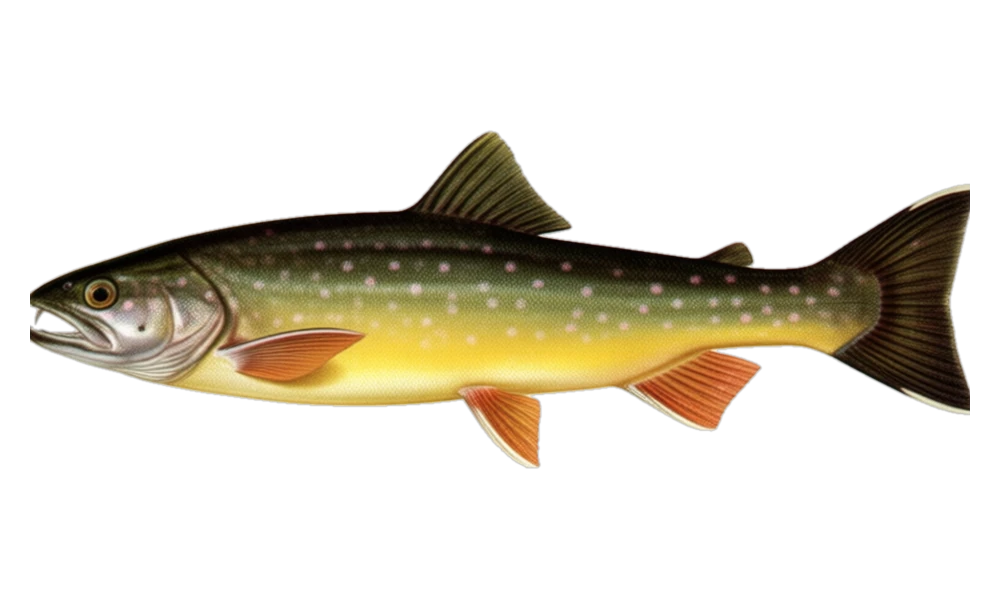
Arctic Char Salvelinus alpinus
Quickest tell: Fewer and larger spots, a narrow caudal peduncle and a deeply forked tail mark an Arctic char; a spawning male also carries a much smaller kype than a Dolly Varden's.
- Light spots on a dark background
- Sparse pink to red spots on the back and sides, 15–20 below the lateral line, each LARGER than the pupil
- Slim caudal peduncle and a noticeably forked tail
- Leading edge of the lower fins is typically white
- Spawning fish are usually gold, orange, yellow or rose, and only rarely red
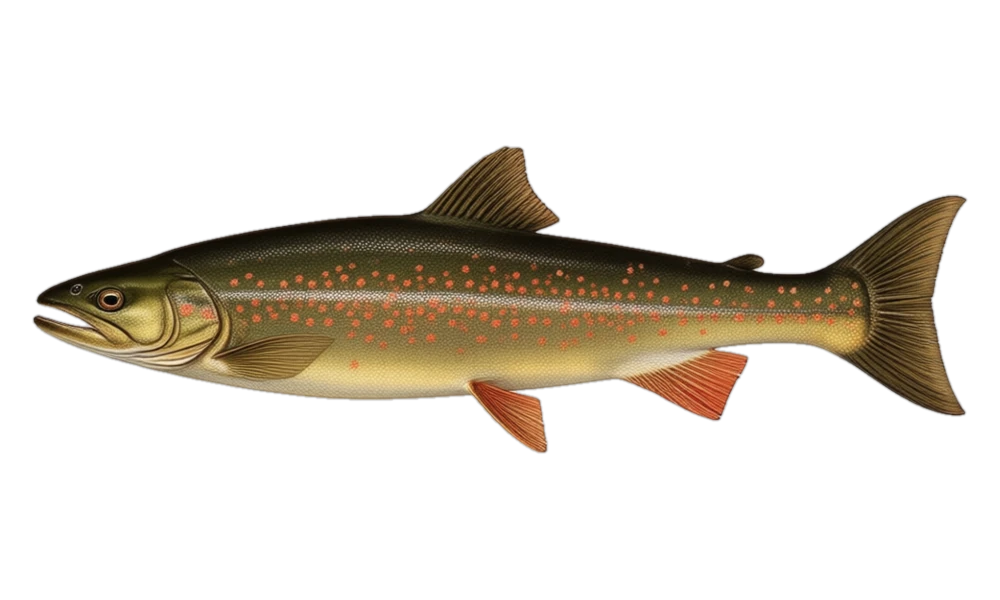
Dolly Varden Salvelinus malma
Typical: 12–24 in
Quickest tell: Spots smaller than the eye's pupil, a thick caudal peduncle and a barely forked tail separate a Dolly Varden from an Arctic char, which has fewer and larger spots on a slimmer peduncle behind a deeply forked tail.
- Light-colored spots on a darker greenish body — the inverse of a trout
- Many small spots, each SMALLER than the pupil of the eye
- Relatively thick caudal peduncle and only a slightly forked tail
- Spawning males develop a distinct kype, red-black-and-white bellies, black gill covers and bright orange to red spots
When Each Is Running October — current month highlighted
| Jan | Feb | Mar | Apr | May | Jun | Jul | Aug | Sep | Oct | Nov | Dec | |
|---|---|---|---|---|---|---|---|---|---|---|---|---|
| Arctic Char | ||||||||||||
| Dolly Varden |
Peak Good Fair Slow
Where Arctic Char and Dolly Varden Overlap
Both run in Alaska — Bering Strait & Kotzebue Sound — that is where telling them apart actually matters.