 The Fishing Report
Fishing seasons & conditions by region
Bluefin Trevally (Omilu) vs Ulua (Giant Trevally)
Two fish anglers routinely mix up. Here is what actually separates them — and when and where you are likely to meet each.
Side by Side
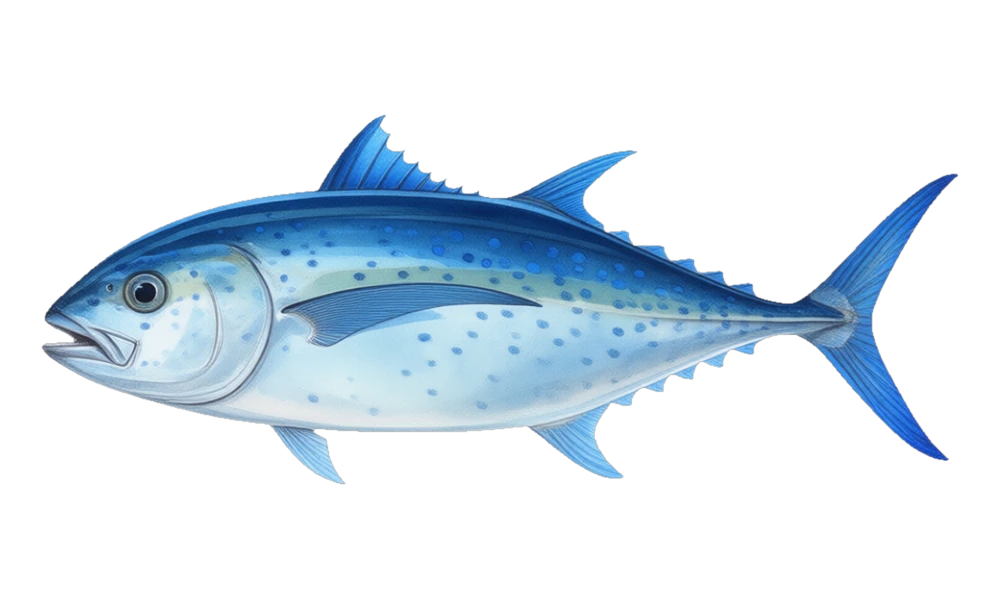
Bluefin Trevally (Omilu) Caranx melampygus
Typical: 14–24 in, 2–10 lb
Quickest tell: Bright blue fins plus fine black-and-blue speckling across the back instantly mark Omilu, versus the plain grey, steep-headed Ulua.
- Electric blue to blue-green fins (second dorsal, anal, and tail)
- Numerous small black and blue spots scattered over the upper body and head
- Silvery body with a bluish sheen
- Hard bony scutes along the rear lateral line near the tail
- Forked tail; head profile sloping, less steep than Ulua
Full Bluefin Trevally (Omilu) guide — season, gear and rules →
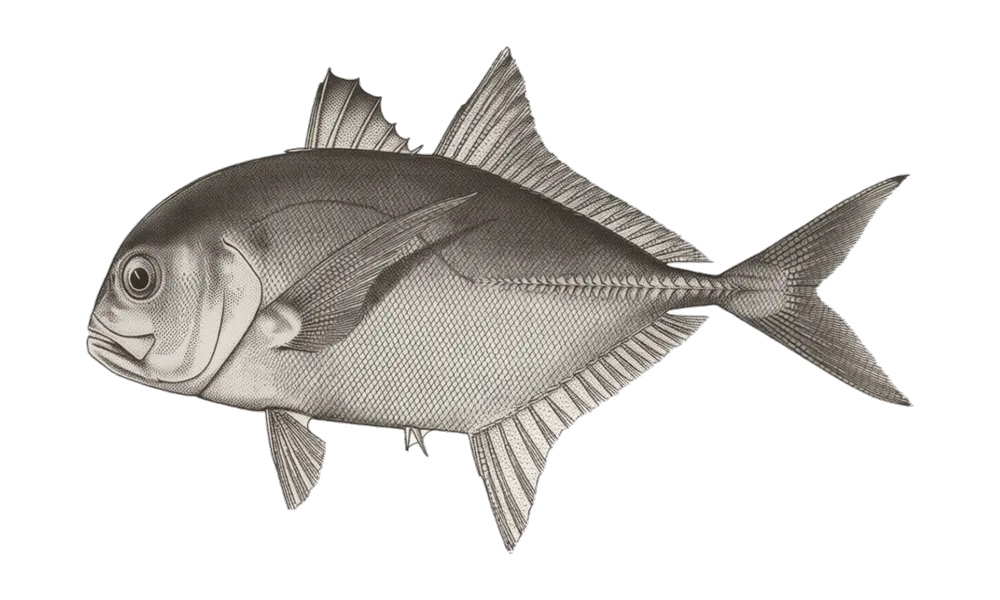
Ulua (Giant Trevally) Caranx ignobilis
Typical: 24–40 in, 10–40 lb
Quickest tell: Steep blunt forehead, large size, and a plain silver-to-grey body with no blue fins and no spots separate it from the spotted, blue-finned Omilu.
- Steep, blunt, near-vertical head profile
- Silver to dusky-grey body; large adults darken toward black
- Hard bony scutes (keeled scales) along the rear lateral line at the tail base
- Deeply forked tail; first dorsal of soft rays low and even
- No spots, bars, or blue fins (uniform; dominant/males may flush dark)
When Each Is Running October — current month highlighted
| Jan | Feb | Mar | Apr | May | Jun | Jul | Aug | Sep | Oct | Nov | Dec | |
|---|---|---|---|---|---|---|---|---|---|---|---|---|
| Bluefin Trevally (Omilu) | ||||||||||||
| Ulua (Giant Trevally) |
Peak Good Fair Slow
Where Bluefin Trevally (Omilu) and Ulua (Giant Trevally) Overlap
Both run in Hawaiian Islands — that is where telling them apart actually matters.