 The Fishing Report
Hawaiian Islands — Fishing Seasons & Conditions
Year-round offshore pelagics, reef-bound trevally, and wary bonefish flats in the middle of the Pacific — fishing pressure is low and the fish are big.
The AI First Mate’s Read — Sunday, October 18
Sunday through Tuesday looks excellent for the Hawaiian Islands with calm seas building in. Seas start at 3 feet today before dropping to 2 feet Monday and Tuesday, making it ideal for getting out. Light winds under 5 knots Monday and Tuesday will give you glassy conditions. Ulua should be your top target while it's peaking, and the calm flats will also favor bonefish early in the day. Bluefin trevally, kawakawa, aku, mahi-mahi and ono are all fishing well right now. Temperatures stay in the mid-70s to mid-80s with minimal rain expected, so you'll want to take advantage of this stretch while it lasts.
Our AI first mate reads the live NOAA forecast and this region’s season calendar every morning and writes this up — it covers the next few days. Conditions shift; check the live report before you go.
Hawaiian Islands: What’s Biting in October 2026
Biting right now — 10 species are worth targeting in October here, and the one marked Peak is at its best right now.
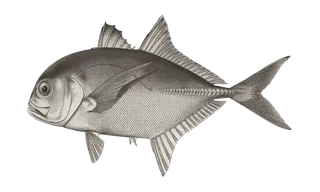 Ulua (Giant Trevally)Peak
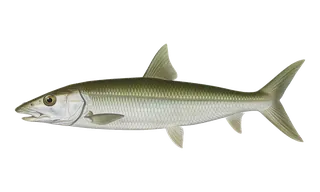 Bonefish (O'io)
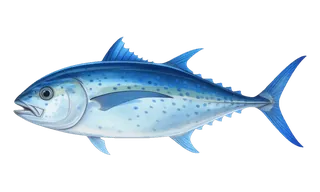 Bluefin Trevally (Omilu)
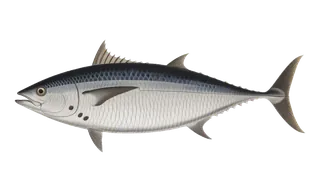 Kawakawa
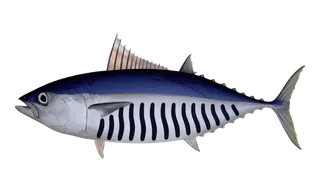 Aku (Skipjack Tuna)
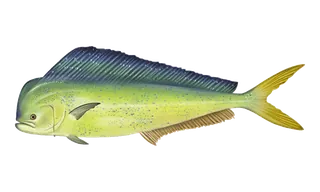 Mahi-Mahi
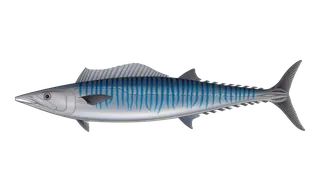 Ono (Wahoo)
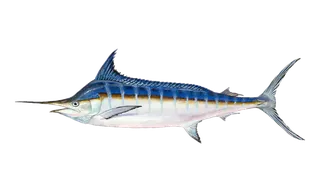 Pacific Blue Marlin
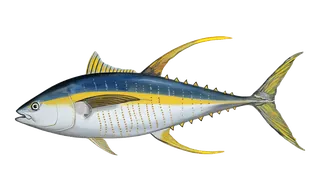 Ahi (Yellowfin Tuna)
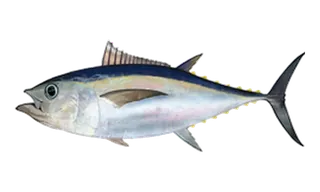 Bigeye Tuna
Tap any species for how to identify it, when it runs and what to throw. This is when the fish are active here — check the regulations below before you keep anything.
What's Biting — Month by Month October — current month highlighted
Shore & Flats
| Jan | Feb | Mar | Apr | May | Jun | Jul | Aug | Sep | Oct | Nov | Dec | |
|---|---|---|---|---|---|---|---|---|---|---|---|---|
| Bonefish (O'io) | ||||||||||||
| Ulua (Giant Trevally) | ||||||||||||
| Bluefin Trevally (Omilu) | ||||||||||||
| Papio (Juvenile Trevally) | ||||||||||||
| Kawakawa |
Nearshore Reefs & Ledges
| Jan | Feb | Mar | Apr | May | Jun | Jul | Aug | Sep | Oct | Nov | Dec | |
|---|---|---|---|---|---|---|---|---|---|---|---|---|
| Ulua (Giant Trevally) | ||||||||||||
| Bluefin Trevally (Omilu) | ||||||||||||
| Aku (Skipjack Tuna) | ||||||||||||
| Mahi-Mahi | ||||||||||||
| Kawakawa | ||||||||||||
| Ono (Wahoo) |
Deep Blue / Offshore
| Jan | Feb | Mar | Apr | May | Jun | Jul | Aug | Sep | Oct | Nov | Dec | |
|---|---|---|---|---|---|---|---|---|---|---|---|---|
| Pacific Blue Marlin | ||||||||||||
| Ahi (Yellowfin Tuna) | ||||||||||||
| Bigeye Tuna | ||||||||||||
| Ono (Wahoo) | ||||||||||||
| Mahi-Mahi | ||||||||||||
| Aku (Skipjack Tuna) |
What to Target & How
Gear links open Amazon searches. As an Amazon Associate, The Fishing Report earns from qualifying purchases — at no extra cost to you. Using these links helps keep the site ad-free.
Inshore
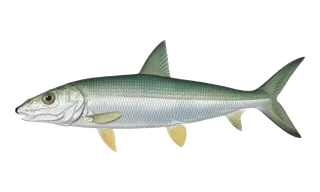 Bonefish (O'io) — Best February-April on the flats; sight-cast light spinning gear with small jigs or shrimp-imitation flies to cruising fish on a pushing tide.GearBonefish jigsFluorocarbon leaderLight spinning combo
How to ID
- Bright chrome-silver sides, greenish-blue back
- Pointed conical snout that overhangs a small inferior (under-slung) mouth
- Single short dorsal fin, deeply forked tail
- Faint dusky bars/streaks across the upper back in some fish
- Yellowish wash at base of pectoral fins; dark snout tip
Typical: 18–28 in, 2–8 lb
Tell it apart: The conical snout overhanging a small under-slung mouth, combined with bright chrome flanks and a deeply forked tail, is unmistakable - no other Hawaiian gamefish has that pointed nose set over an inferior mouth.
- Ulua (Giant Trevally) — Peaks July-October; heavy shore-casting with large poppers and slide-bait rigs from ledges, or whip stickbaits at dawn and dusk along rocky shorelines.GearGiant trevally poppersHeavy circle hooksHeavy casting rod
How to ID
- Steep, blunt, near-vertical head profile
- Silver to dusky-grey body; large adults darken toward black
- Hard bony scutes (keeled scales) along the rear lateral line at the tail base
- Deeply forked tail; first dorsal of soft rays low and even
- No spots, bars, or blue fins (uniform; dominant/males may flush dark)
Typical: 24–40 in, 10–40 lb
Tell it apart: Steep blunt forehead, large size, and a plain silver-to-grey body with no blue fins and no spots separate it from the spotted, blue-finned Omilu.
Easily confused with: Bluefin Trevally (Omilu)
- Bluefin Trevally (Omilu) — Best November-December but available year-round; whip and cast small poppers, jigs and lead-head grubs over reef edges and shallow rocky shorelines.GearCasting poppersLead-head grubsMedium spinning rod
How to ID
- Electric blue to blue-green fins (second dorsal, anal, and tail)
- Numerous small black and blue spots scattered over the upper body and head
- Silvery body with a bluish sheen
- Hard bony scutes along the rear lateral line near the tail
- Forked tail; head profile sloping, less steep than Ulua
Typical: 14–24 in, 2–10 lb
Tell it apart: Bright blue fins plus fine black-and-blue speckling across the back instantly mark Omilu, versus the plain grey, steep-headed Ulua.
Easily confused with: Ulua (Giant Trevally), Papio (Juvenile Trevally)
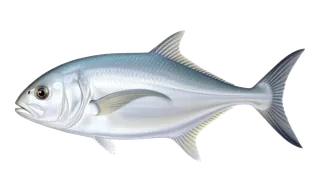 Papio (Juvenile Trevally) — Catchable steadily all year; whip lead-head jigs and small spoons or dunk bait from shore, working sandy channels and reef pockets at changing light.GearWhipping jigsSmall casting spoonsLight whipping rod
How to ID
- Small/juvenile trevally (locally any trevally under ~10 lb)
- Bright silver, sometimes with faint vertical bars when young
- Forked tail with hard scutes already developing on the rear lateral line
- May show early blue fin tint (juvenile Omilu) or remain plain silver (young Ulua)
- Head profile ranges steep to sloping depending on the parent species
Typical: 12–24 in, 1–8 lb
Tell it apart: Papio is simply a young trevally - confirm the bony scutes on the rear lateral line, then check for blue fins and spots (Omilu) or a plain steep-headed grey body (Ulua) to pin the species.
Easily confused with: Bluefin Trevally (Omilu)
- Kawakawa — Prime May-August when bait schools thicken; cast or troll small chrome lures and metal jigs into surface boils, or run skirts along nearshore current lines.GearChrome casting jigsSmall trolling skirtsFluorocarbon leader
How to ID
- Wavy/scribbled dark bars on the back ABOVE the lateral line, not extending below it
- A few (usually 2-5) small dark spots low on the body between pectoral and pelvic fins
- Scaleless except for the corselet and along the lateral line
- Stout, football-shaped tuna body; finlets behind dorsal and anal fins
- Belly silvery and unmarked (no horizontal stripes)
Typical: 18–28 in, 5–15 lb
Tell it apart: Broken wavy markings confined to the UPPER back, plus a few dark spots low between the pectoral and pelvic fins, distinguish Kawakawa from Aku, which has clean horizontal stripes on the LOWER belly and a plain back.
Easily confused with: Aku (Skipjack Tuna)
Nearshore
- Aku (Skipjack Tuna) — Peaks May-August; troll small skirted lures and feathers at 6-9 knots near current lines and bird piles, or cast metal jigs into breaking schools.GearFeather trolling luresMetal casting jigsTrolling rod combo
How to ID
- 4-6 bold straight horizontal dark stripes on the LOWER sides/belly
- Dark blue-purple back; silvery belly
- Back plain and unmarked above the lateral line
- Streamlined tuna body, short pectoral fins, finlets
- Scaleless except for the corselet and lateral line
Typical: 18–30 in, 5–20 lb
Tell it apart: Straight horizontal stripes running along the belly and a plain unmarked back separate Aku from Kawakawa, whose markings are wavy, confined to the upper back, with spots low on the chest.
Easily confused with: Kawakawa
- Mahi-Mahi — Best March-April; troll skirted lures and ballyhoo-style baits along weed lines and floating debris, then pitch jigs and plugs once a school is raised.GearSkirted trolling luresPitch bait jigsOffshore spinning combo
How to ID
- Brilliant green-gold-blue body with iridescent flanks
- Forehead steep and near-vertical in mature bulls (males), rounded in females
- Single long dorsal fin running from just behind the head nearly to the tail
- Body laterally compressed; deeply forked yellow/gold tail
- Vivid colors fade fast to grey-yellow out of the water
Typical: 30–48 in, 10–30 lb
Tell it apart: The single full-length dorsal fin running head to tail over a thin, deep, glowing green-gold body is unique - no other Hawaiian pelagic has that continuous dorsal.
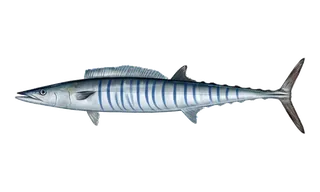 Ono (Wahoo) — Peaks May-August; high-speed troll dark skirted lures and bullet-head jets on wire leader at 12-16 knots along reef drop-offs and ledges.GearWahoo bullet luresSingle-strand wire leaderOffshore trolling combo
How to ID
- Long, slender, torpedo-shaped body, elongated and tubular
- About 24-30 vertical cobalt-blue bars/tiger stripes down the sides
- Long pointed beak-like jaws (no bill) with razor-sharp triangular teeth
- Long low first dorsal fin; finlets behind dorsal and anal fins
- Steel-blue back fading to silver; no spots
Typical: 34–50 in, 8–30 lb
Tell it apart: An elongated tubular body with vertical blue tiger bars and a toothed beak-like jaw identifies Ono - it has no rigid spear/bill, unlike a marlin.
Easily confused with: Pacific Blue Marlin
Offshore
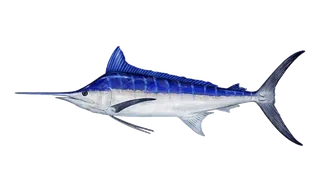 Pacific Blue Marlin — Prime May-September; troll a spread of large skirted lures off the deep ledges and current lines, running a mix of short and long riggers at 7-9 knots.GearLarge marlin luresHeavy mono leaderStand-up trolling combo
How to ID
- Long, round, rigid spear-like bill (rostrum)
- Cobalt-blue back, silvery-white belly
- Pointed (not rounded) front dorsal fin, its height lower than the body is deep
- Pale cobalt vertical bars/stripes on the sides that fade rapidly after death
- Stout, high-shouldered body, nearly round in cross-section
Typical: 80–300 lb
Tell it apart: The rigid round spear bill and a pointed dorsal fin shorter than the body depth confirm a marlin; Ono has a toothed beak and a long low body, never a bill.
Easily confused with: Ono (Wahoo)
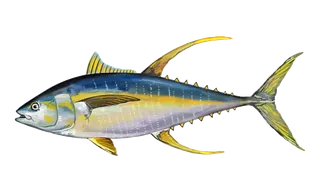 Ahi (Yellowfin Tuna) — Best June-September; troll skirted lures and feathers near FADs and porpoise schools, or chunk and drop jigs to fish holding deep under bird activity.GearCedar plugsTuna jigsHeavy fluoro leader
How to ID
- Very long, sickle-shaped second dorsal and anal fins (bright yellow, elongating with age)
- Bright yellow finlets edged in black along the rear
- Dark metallic blue back, golden-yellow lateral stripe, silvery belly
- Pectoral fin only moderate - tip falls short of the second dorsal fin
- Streamlined tuna body; finlets behind dorsal and anal fins
Typical: 30–50 in, 20–100 lb
Tell it apart: Very long curved yellow second dorsal/anal fins, a bright yellow side stripe, and a normal-sized eye separate Yellowfin from Bigeye, which keeps short fins, a larger eye, and a longer pectoral.
Easily confused with: Bigeye Tuna
- Bigeye Tuna — Peaks August-September; troll deep-running lures and weighted feathers before dawn near FADs, or deep-drop jigs to fish stacked well below the surface.GearWeighted trolling luresDeep jigging jigsHeavy jigging combo
How to ID
- Conspicuously large eye, proportionally bigger than Ahi's
- Second dorsal and anal fins stay SHORT and even, never elongating into sickles
- Long pectoral fin reaching back past the origin of the second dorsal fin
- Dark metallic blue back; an iridescent blue lateral band in life (not a yellow stripe)
- Yellow finlets with black margins; deep, robust forward body
Typical: 40–60 in, 60–150 lb
Tell it apart: Short second dorsal/anal fins, a noticeably larger eye, and a long pectoral fin reaching past the second dorsal origin mark Bigeye, versus the long sweeping yellow fins and yellow side stripe of Yellowfin (Ahi).
Easily confused with: Ahi (Yellowfin Tuna)
Fishing Regulations
Tides & Timing
Read the Tide
Hawaiian tides are small (~2 ft range) — what matters most is moon phase, which drives stronger tidal flow and pushes bonefish onto flats and trevally tight to structure; plan offshore trips to beat the trade winds, which typically build to 15–20 kt by midday.
Hawaiian Islands Fishing Towns
Per-town fishing reports — local spots and launches inside this region.