 The Fishing Report
Fishing seasons & conditions by region
Calico Bass vs Sand Bass
Two fish anglers routinely mix up. Here is what actually separates them — and when and where you are likely to meet each.
Side by Side
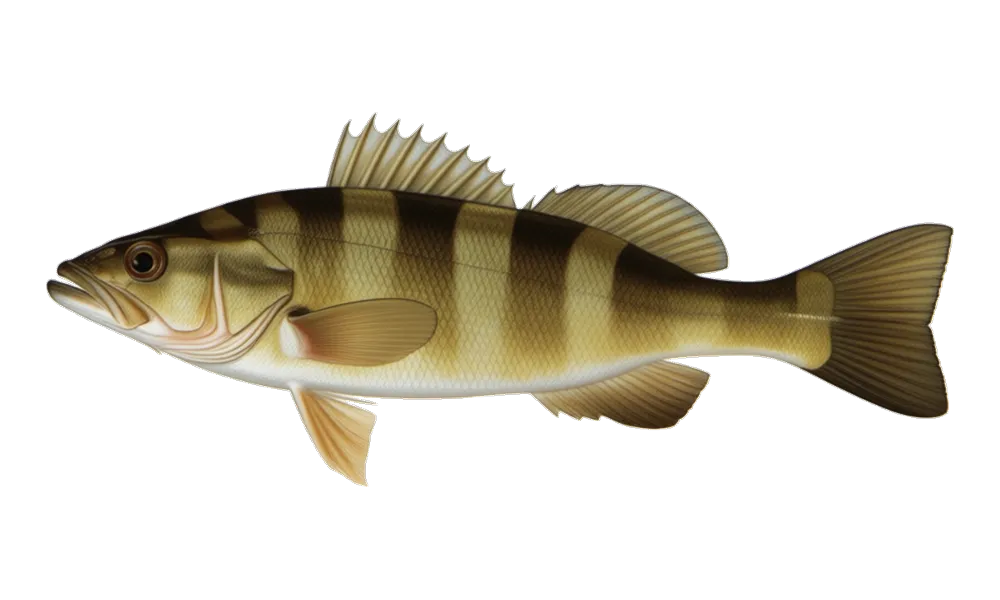
Calico Bass Paralabrax clathratus
Typical: 12–18 in, 1–4 lb
Quickest tell: Calico (Kelp Bass) has a conspicuously LONG third dorsal spine that stands taller than the spines around it; Sand Bass has even dorsal spines (none elongated) plus dark vertical bars. Note both carry size/bag limits, so check this spine before keeping.
- Olive to brown body with cream/yellow blotchy mottling, often pale saddles on the back
- Greatly elongated third dorsal spine that is clearly the tallest of the spiny dorsal
- Deep, laterally compressed body; spiny dorsal deeply notched before the soft dorsal
- Tail squared to slightly forked
- No bold dark vertical bars on the sides
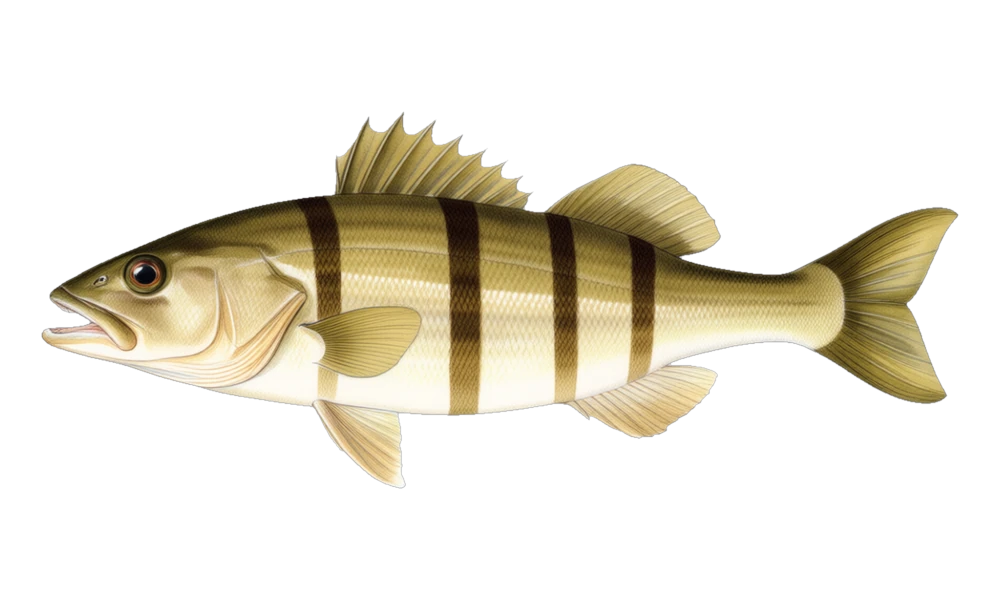
Sand Bass Paralabrax nebulifer
Typical: 12–18 in, 1–4 lb
Quickest tell: Barred Sand Bass has even dorsal spines and dark vertical bars; if the third dorsal spine is greatly elongated it is a Calico Bass, not a Sand Bass.
- Gray-brown with dark blotches and broad dark vertical bars on the sides
- Dorsal spines roughly even in length — NO single elongated third spine
- Dark vermiculations (worm-lines) on the snout and between the eyes
- Rounded to squared tail
- Stout, moderately deep body
When Each Is Running October — current month highlighted
| Jan | Feb | Mar | Apr | May | Jun | Jul | Aug | Sep | Oct | Nov | Dec | |
|---|---|---|---|---|---|---|---|---|---|---|---|---|
| Calico Bass | ||||||||||||
| Sand Bass |
Peak Good Fair Slow
Where Calico Bass and Sand Bass Overlap
Both run in Southern California — that is where telling them apart actually matters.