 The Fishing Report
Fishing seasons & conditions by region
Sand Bass Paralabrax nebulifer
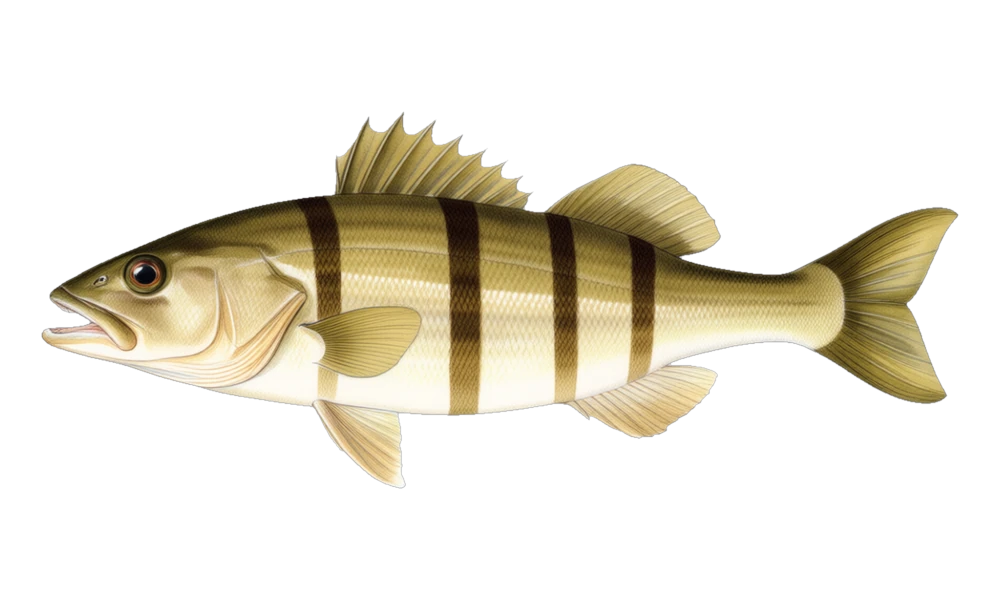
Sand Bass Size, Range & Diet
| Typical size | 12–18 in, 1–4 lb |
|---|---|
| Maximum | up to 26 in and about 13 lb |
| Lifespan | up to about 30 years |
| Range | Southern California, common from Santa Barbara south through San Diego and on into Baja, with strays as far north as Santa Cruz. |
| Habitat | Sand flats butting up against rock, reef edges, kelp margins, breakwaters and oil platforms, usually in 30–100 ft. |
| Diet | Small fish such as midshipman and anchovy, plus squid, octopus and crabs picked off the sand. |
Sizes are typical rod-and-reel and documented maximum figures, not size limits — see the regulations links below for the rules where you fish.
How to Identify a Sand Bass
- Gray-brown with dark blotches and broad dark vertical bars on the sides
- Dorsal spines roughly even in length — NO single elongated third spine
- Dark vermiculations (worm-lines) on the snout and between the eyes
- Rounded to squared tail
- Stout, moderately deep body
Tell it apart: Barred Sand Bass has even dorsal spines and dark vertical bars; if the third dorsal spine is greatly elongated it is a Calico Bass, not a Sand Bass.
Easily confused with: Calico Bass
Side by side: Sand Bass vs Calico Bass
How to Catch Sand Bass
Gear links open Amazon searches. As an Amazon Associate, The Fishing Report earns from qualifying purchases — at no extra cost to you. Using these links helps keep the site ad-free.
- Peaks May through July on the spawning flats — drag plastics and cut squid on the bottom, fishing dropper-loop rigs in deeper water.GearCurl-tail grubsDropper-loop rigsLeadhead jigheads
When & Where Sand Bass Are in Season
Peak Good Fair Slow
| Jan | Feb | Mar | Apr | May | Jun | Jul | Aug | Sep | Oct | Nov | Dec | |
|---|---|---|---|---|---|---|---|---|---|---|---|---|
| Southern California Inshore |
Sand Bass Regulations
Always check local regulations — seasons, size, and bag limits vary by state and species, and change year to year. When in doubt, release.