 The Fishing Report
Fishing seasons & conditions by region
Summer Flounder vs Winter Flounder
Two fish anglers routinely mix up. Here is what actually separates them — and when and where you are likely to meet each.
Side by Side
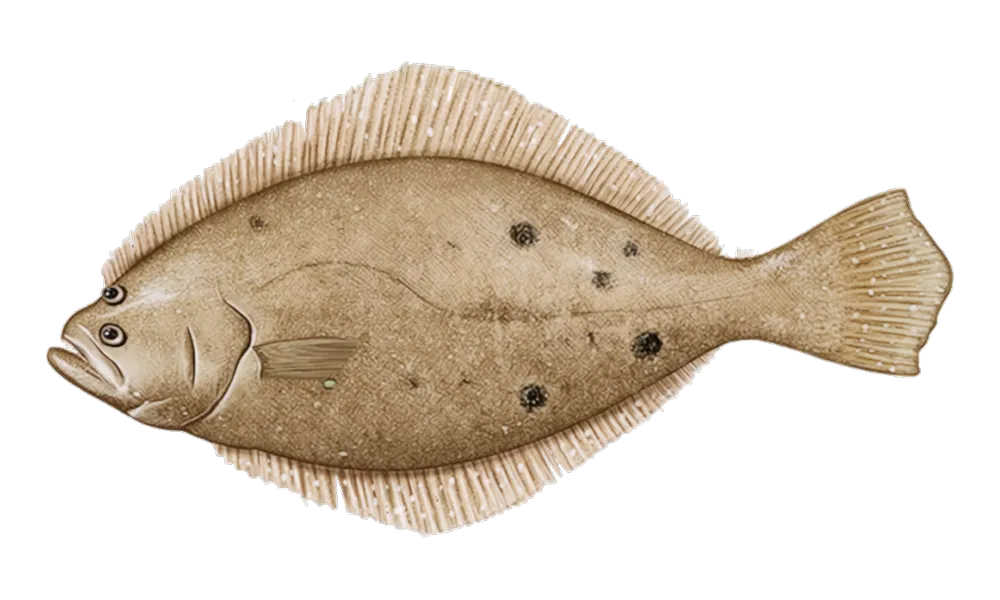
Summer Flounder Paralichthys dentatus
Typical: 15–22 in, 1–4 lb
Quickest tell: With the dark side up and the dorsal fin away from you, the eyes sit on the LEFT and the mouth is large and toothy, the gape reaching past the eye, separating fluke from the smaller, right-eyed, tiny-mouthed winter flounder.
- left-eyed: both eyes on the left side when the dark (eyed) side faces up
- 5 prominent ocellated (dark-ringed) eyespots arranged in an X, plus smaller scattered spots
- large mouth, sharp teeth, gape reaching to or past the rear of the eye
- mottled brown eyed-side, plain white blind side
- broad oval body with a long continuous dorsal fin
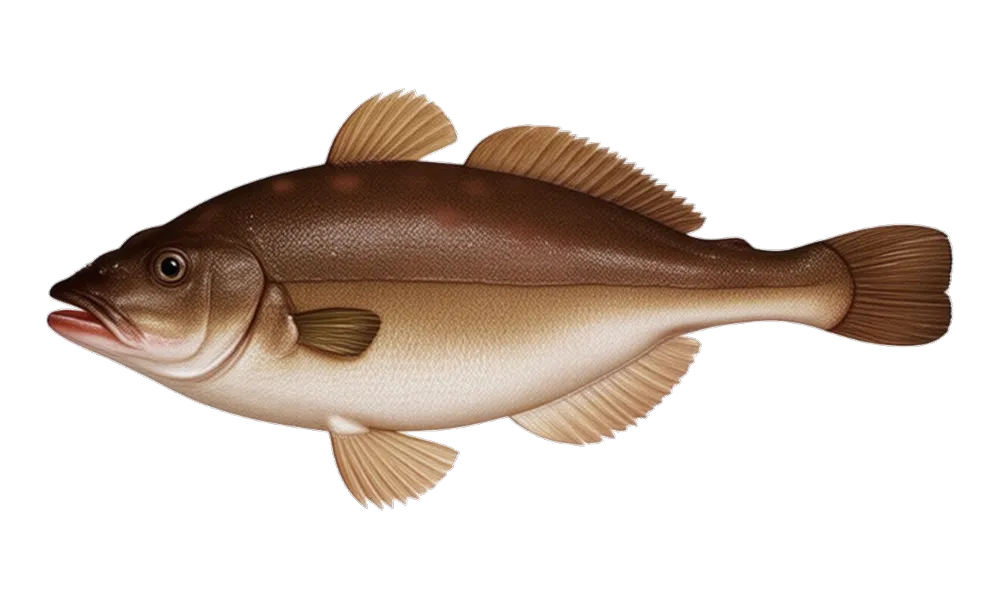
Winter Flounder Pseudopleuronectes americanus
Typical: 12–16 in, 1–2 lb
Quickest tell: Right-eyed with a tiny puckered mouth and no eye-spots separates winter flounder ('blackback') from the left-eyed, big-mouthed, spotted fluke.
- eyes on the RIGHT side when the dark side is up
- small mouth, lips barely reaching the front of the eye
- smooth reddish-to-dark brown upper side with no ocellated spots
- white blind side, often with a rosy tinge
- rounded, almost diamond body outline
When Each Is Running October — current month highlighted
| Jan | Feb | Mar | Apr | May | Jun | Jul | Aug | Sep | Oct | Nov | Dec | |
|---|---|---|---|---|---|---|---|---|---|---|---|---|
| Summer Flounder | ||||||||||||
| Winter Flounder |
Peak Good Fair Slow
Where Summer Flounder and Winter Flounder Overlap
Both run in Northeast — that is where telling them apart actually matters.