 The Fishing Report
Fishing seasons & conditions by region
Tautog Tautoga onitis
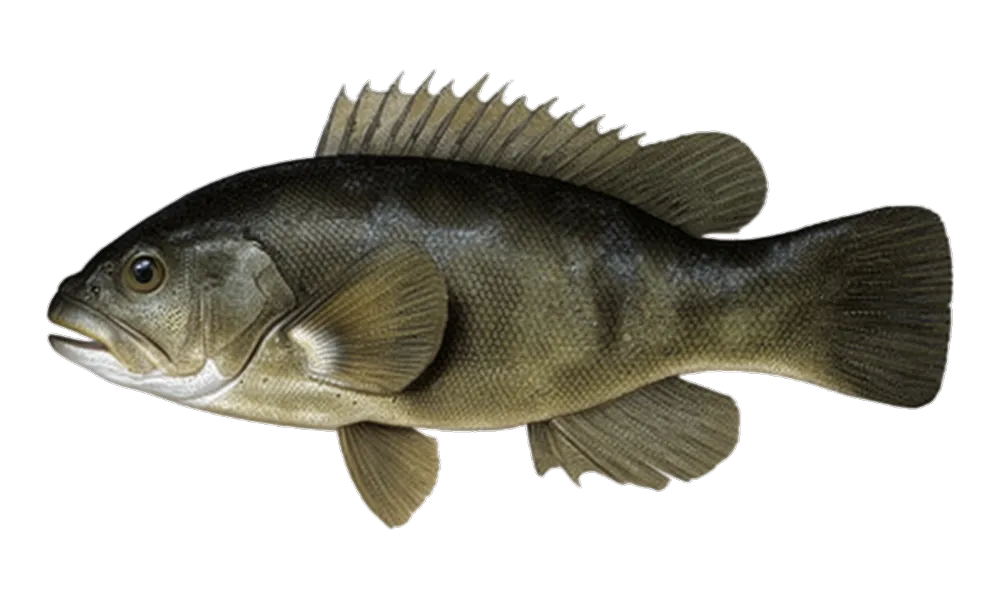
Tautog Size, Range & Diet
| Typical size | 14–20 in, 2–5 lb |
|---|---|
| Maximum | up to 3 ft and about 28 lb |
| Lifespan | up to 34 years |
| Range | Atlantic coast from Nova Scotia south to South Carolina, most abundant from Cape Cod through the mouth of Chesapeake Bay. |
| Habitat | Hard structure — wrecks, rock piles, jetties, reefs and bridge pilings — from a few feet of water out to roughly 250 ft. |
| Diet | Crushes mussels, clams, barnacles and small crabs off hard structure with heavy teeth — crab baits are the standard. |
Sizes are typical rod-and-reel and documented maximum figures, not size limits — see the regulations links below for the rules where you fish.
How to Identify a Tautog
- blunt, rounded head with thick rubbery lips
- mottled dark gray to blackish-green, blotchy sides
- stout, deep body with thick leathery, slimy skin
- white chin patch on large males
- powerful jaws with crushing molar-like teeth set back in the mouth
Tell it apart: The blunt rubbery-lipped head, thick leathery skin, and uniform blotchy dark coloring (no white-spotted fin rows, no trailing tail filament) separate tautog from the lighter, spinier black sea bass.
Easily confused with: Black Sea Bass
Side by side: Tautog vs Black Sea Bass
How to Catch Tautog
Gear links open Amazon searches. As an Amazon Associate, The Fishing Report earns from qualifying purchases — at no extra cost to you. Using these links helps keep the site ad-free.
- Peaks in April and again October-November - anchor over wrecks and rocks and drop green or fiddler crab on a tog rig tight to structure.GearTog jigsTautog rigsConventional jigging rod
- Peaks April-May and again October-November - anchor over wrecks and rockpiles and drop green crab on a tog jig or rig tight to structure.GearTog jigsBlackfish rigsConventional jigging rod
When & Where Tautog Are in Season
Peak Good Fair Slow
| Jan | Feb | Mar | Apr | May | Jun | Jul | Aug | Sep | Oct | Nov | Dec | |
|---|---|---|---|---|---|---|---|---|---|---|---|---|
| Mid-Atlantic Inshore | ||||||||||||
| Northeast Inshore |
Tautog Regulations
VirginiaVirginia Marine Resources Commission (VMRC)MarylandMaryland Department of Natural Resources, Fishing and Boating ServicesDelawareDelaware DNREC, Division of Fish & WildlifeNew JerseyNew Jersey Department of Environmental Protection, Division of Fish & Wildlife (NJDEP Fish & Wildlife)New YorkNew York State Department of Environmental Conservation (NYSDEC), Division of Marine ResourcesMid-Atlantic Fishery Management CouncilMAFMCAtlantic States Marine Fisheries CommissionASMFCConnecticutConnecticut Department of Energy and Environmental Protection (DEEP), Marine FisheriesRhode IslandRhode Island Department of Environmental Management (DEM), Division of Marine FisheriesMassachusettsMassachusetts Division of Marine Fisheries (MA DMF), Department of Fish and Game / Mass.govNew HampshireNew Hampshire Fish and Game Department (Marine Fisheries Division)MaineMaine Department of Marine Resources (DMR)NOAA Fisheries (Greater Atlantic Region / New England-Mid-Atlantic)NEFMC
Always check local regulations — seasons, size, and bag limits vary by state and species, and change year to year. When in doubt, release.