 The Fishing Report
Jupiter, FL Fishing — Seasons & Conditions
Where the Gulf Stream pinches closest to shore — sailfish, blackfin, and wahoo within a couple miles of Jupiter Inlet, summer snook running the inlet at night, and a famous goliath grouper aggregation on the inshore wrecks.
Part of the South Florida & the Keys region.
What’s Biting at Jupiter, FL in October 2026
Biting right now — 13 species are worth targeting in October here, and the 3 marked Peak are at their best right now.
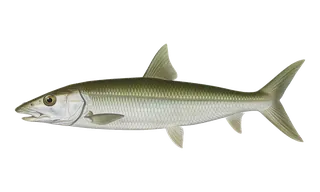 BonefishPeak
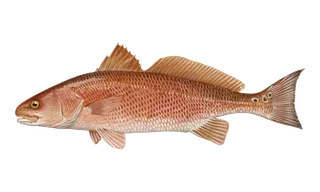 RedfishPeak
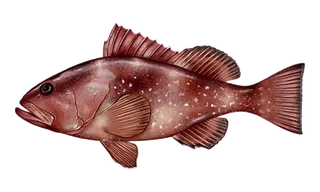 Red GrouperPeak
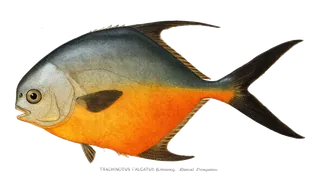 Permit
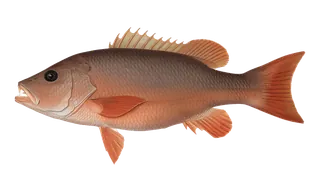 Mangrove Snapper
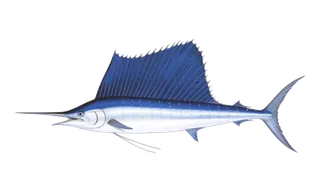 Sailfish
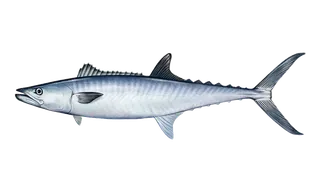 King Mackerel
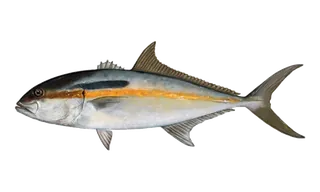 Amberjack
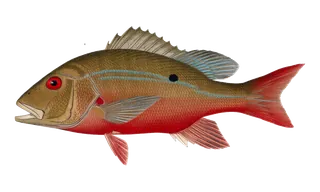 Mutton Snapper
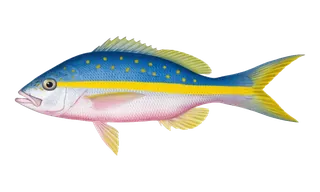 Yellowtail Snapper
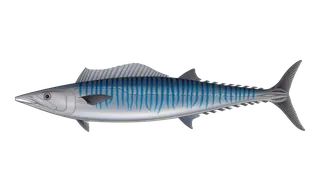 Wahoo
Wahoo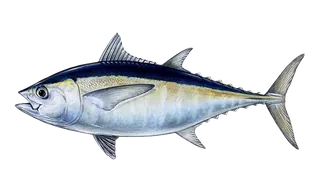 Blackfin Tuna
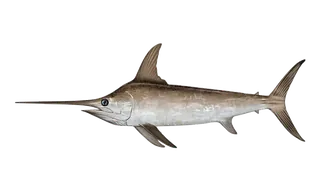 Swordfish
Tap any species for how to identify it, when it runs and what to throw. This is when the fish are active here — check the regulations below before you keep anything.
Fishing Jupiter, FL: The Local Water
The Inlet & Bar
Jupiter Inlet is an opening in the beach just south of Jupiter Inlet Light, which stands 146 feet above the water on a red brick tower on the north side of the inlet, 94 miles south of Cape Canaveral Light. The light is reported obscured by high-rise construction from 231 to 234 degrees within 5.5 miles.
Local Waters
Between Jupiter Inlet and Lake Worth Inlet, about 10.5 miles down the coast, the shore is clear of shoals, and the 20-fathom curve is a safe guide running this stretch.
Harbors, Launches & Access
Lake Worth Inlet, a dredged cut through the barrier beach 11 miles south of Jupiter Inlet Light, is the all-weather alternative when the inlet here is not workable.
Jupiter, FL Season Calendar October — current month highlighted
Inshore — Flats, Backcountry, Bridges
| Jan | Feb | Mar | Apr | May | Jun | Jul | Aug | Sep | Oct | Nov | Dec | |
|---|---|---|---|---|---|---|---|---|---|---|---|---|
| Tarpon | ||||||||||||
| Permit | ||||||||||||
| Bonefish | ||||||||||||
| Snook | ||||||||||||
| Redfish | ||||||||||||
| Sheepshead | ||||||||||||
| Mangrove Snapper |
Nearshore — Reef Line, Wrecks, ~5–30 mi
| Jan | Feb | Mar | Apr | May | Jun | Jul | Aug | Sep | Oct | Nov | Dec | |
|---|---|---|---|---|---|---|---|---|---|---|---|---|
| Sailfish | ||||||||||||
| King Mackerel | ||||||||||||
| Cobia | ||||||||||||
| Amberjack | ||||||||||||
| Mutton Snapper | ||||||||||||
| Yellowtail Snapper |
Offshore — Deep Reef, Blue Water, Stream
| Jan | Feb | Mar | Apr | May | Jun | Jul | Aug | Sep | Oct | Nov | Dec | |
|---|---|---|---|---|---|---|---|---|---|---|---|---|
| Mahi (Dolphin) | ||||||||||||
| Wahoo | ||||||||||||
| Blackfin Tuna | ||||||||||||
| Swordfish | ||||||||||||
| Blue Marlin | ||||||||||||
| Red Grouper |
What to Target & How
Gear links open Amazon searches. As an Amazon Associate, The Fishing Report earns from qualifying purchases — at no extra cost to you. Using these links helps keep the site ad-free.
Inshore
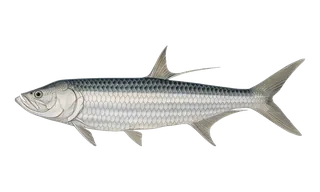 Tarpon — Spring through summer is prime as fish migrate the beaches and Keys bridges; sight-cast crabs, mullet or large swimbaits, and fly the flats.GearSoft-plastic swimbaits5/0-7/0 circle hooks80 lb fluorocarbon leader
How to ID
- Large silvery platelike scales ("silver king")
- Upturned, bony lower jaw projects well past the upper
- Single soft dorsal with a long trailing last ray (filament)
- Large upward-facing eyes; no barbels
- Deeply forked tail, deep compressed body
Typical: 48–72 in, 60–130 lb
Tell it apart: The huge chrome scales plus the upturned bony lower jaw and the threadlike trailing dorsal ray are unmistakable; nothing else in range looks like a giant silver herring.
- Permit — Best in spring and again midsummer when fish tail on the flats and stack the wrecks; sight-cast crab flies or live-crab imitations.GearCrab flies1/0-2/0 short-shank hooks20 lb fluorocarbon leader
How to ID
- Deep, strongly compressed silver disc-shaped body
- Orange-yellow wash on the lower body and anal-fin area
- Dark sickle-shaped (falcate) dorsal and anal-fin lobes
- Forked tail with dark lobes; no spots or stripes
- Small mouth, blunt steep forehead
Typical: 24–34 in, 10–25 lb
Tell it apart: Compared with a pompano (not on this list), a permit is larger and far deeper-bodied with a darker, more sickle-shaped second dorsal; the flat silver disc with an orange-tinged lower body and no markings is the giveaway.
- Bonefish — Year-round but peaks in spring and early fall; wade or pole the flats and sight-cast small shrimp flies or lightly weighted jigs.GearShrimp-pattern flies1/8 oz bonefish jigs12 lb fluorocarbon leader
How to ID
- Slender, torpedo-shaped silver body, greenish back
- Conical snout overhanging an inferior (underslung) mouth
- Faint dusky bars or sheen on the upper sides
- Single short dorsal, deeply forked tail
- Large scales; no spots, no barbels
Typical: 20–28 in, 3–8 lb
Tell it apart: The blunt overhanging snout with the mouth set well underneath, on a bright-silver streamlined body, separates it from any small jack or ladyfish.
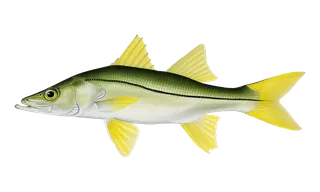 Snook — May through August is peak around spawning passes and bridges; work topwater and flair-hawk jigs at night, soft plastics in the backcountry.GearFlair-hawk bucktail jigsWalking topwater plugs40 lb fluorocarbon leader
How to ID
- Bold black lateral line running onto the tail
- Sloping forehead with a protruding, scoop-shaped lower jaw
- Yellowish fins (often bright yellow pelvic/anal fins)
- Two separate dorsal fins, distinctly divided profile
- Silvery-green back fading to a white belly
Typical: 20–34 in, 3–15 lb
Tell it apart: The single sharp black stripe down the lateral line plus the jutting lower jaw is diagnostic; no other inshore fish here carries that crisp black line onto the tail.
- Redfish — Best in the fall as fish school in the backcountry; sight-cast gold spoons and weedless soft plastics, slowing the retrieve in cooler months.GearGold weedless spoonsPaddletails + jigheads30 lb fluorocarbon leader
How to ID
- Copper-bronze to reddish body, white belly
- One (sometimes more) black spot at the base of the tail
- Sloped snout, inferior (downward-facing) mouth
- No barbels; large rough scales
- Slightly emarginate (nearly square) coppery tail
Typical: 18–30 in, 3–10 lb; bulls run well over 40 in
Tell it apart: The black spot(s) right at the tail base on a bronze, down-turned-mouth body is unique; muttons also show a dark side spot but it sits high on the mid-body (not the tail base), and muttons are deep-bodied snappers with canine teeth and a pointed anal fin.
Easily confused with: Mutton Snapper
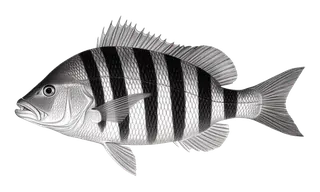 Sheepshead — Best in the cool winter months around bridge pilings and docks; drop fiddler crabs or shrimp on a small hook with a knocker rig.Gear1/0 sheepshead hooksKnocker rigsSensitive jigging rod
How to ID
- 5-7 bold black vertical bars on a silvery-gray body ("convict fish")
- Human-like incisor teeth at the front of the mouth
- Steep blunt forehead, small terminal mouth
- Sharp, stout spines on the dorsal and anal fins
- Slightly forked dusky tail
Typical: 14–18 in, 2–5 lb
Tell it apart: The combination of bold black body bars and protruding human-style front incisors is unmistakable; no other barred fish here has those teeth.
- Mangrove Snapper — Peaks in summer when fish school to spawn on patch reefs and bridges; freeline shrimp or small baits on light fluoro.Gear1/0 live-bait hooksKnocker rigs20 lb fluorocarbon leader
How to ID
- Gray to reddish-brown body, often a coppery sheen
- Dark band through the eye, more obvious when feeding/excited
- Two enlarged canine teeth in the upper jaw
- Reddish-orange tinge to the fins; no spot on the body
- Single continuous dorsal, slightly forked tail
Typical: 12–18 in, 1–4 lb
Tell it apart: Gray (mangrove) snapper lacks the mutton's blue facial lines and high side spot and lacks the yellowtail's bright yellow lateral stripe and yellow tail; look for the dark eye-bar and a plain gray body with no markings.
Easily confused with: Mutton Snapper, Yellowtail Snapper
Nearshore
- Sailfish — Peaks in winter when cold fronts push fish along the reef edge; slow-troll live baits or kite-fish goggle-eyes off Miami and the Keys.GearKite-fishing kit6/0-7/0 circle hooksOffshore live-bait combo
How to ID
- Enormous sail-like first dorsal, much taller than the body is deep
- Long, thin, round (spear-like) upper-jaw bill
- Cobalt back, silver sides with rows of pale blue bars/spots
- Long, thin pelvic-fin filaments under the body
- Hard tail keels and a forked tail
Typical: 6–7 ft, 30–50 lb
Tell it apart: The huge sail dorsal (taller than the body is deep) instantly separates a sailfish from blue marlin, whose pointed dorsal is lower than the body depth, and from swordfish, which has a single high but non-sail dorsal and no pelvic fins.
Easily confused with: Blue Marlin, Swordfish
- King Mackerel — Best in spring as schools move through; slow-troll ribbonfish or live baits on wire stinger rigs near reefs and wrecks.GearWire stinger rigsDrone spoonsSingle-strand wire leader
How to ID
- Iron-gray to greenish back, plain silver sides (adults unspotted)
- Lateral line drops sharply downward below the second dorsal
- First dorsal lacks a black front lobe (uniformly grayish)
- Streamlined body, deeply forked tail, no barbel
- Numerous sharp triangular teeth
Typical: 24–40 in, 8–20 lb
Tell it apart: The lateral line taking a sharp dip under the second dorsal is the king-mackerel signature; the clear (non-black-fronted) first dorsal separates small kings ("snakes") from juvenile Spanish mackerel, and the absence of vertical bars and a blade-like snout separates them from wahoo.
Easily confused with: Wahoo
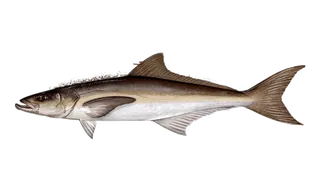 Cobia — Spring is prime as fish migrate near beaches and buoys; sight-cast bucktail jigs or eels to cruising and surfacing fish.GearHeavy bucktail jigsSoft-plastic eelsMedium-heavy casting rod
How to ID
- Long, broad, flat-headed dark-brown body (shark/remora-like)
- Distinct dark lateral stripe bordered by paler bands
- Row of short, stout, isolated spines forming a low first dorsal
- White belly; broad, slightly forked tail (rounded in young)
- No barbel; large pectoral fins often held flat and stiff
Typical: 30–45 in, 15–40 lb
Tell it apart: Cobia's flattened broad head and remora-like profile, dark side stripe, and row of short separate dorsal spines separate it from the higher-bodied, single-finned amberjack.
Easily confused with: Amberjack
- Amberjack — Available year-round on deep wrecks and reefs; drop live baits or speed-jig vertical jigs straight down to hard-pulling schools.GearVertical speed jigs8/0 circle hooksHeavy jigging combo
How to ID
- Dark diagonal bar through the eye to the first dorsal ("bandit mask")
- Amber to brassy lateral stripe running along the flank
- Bronze-amber sides, long stout body
- Long-based second dorsal and anal fin
- Deeply forked tail; no barbel
Typical: 30–45 in, 15–40 lb
Tell it apart: The dark diagonal eye-bar (nuchal bar) running up to the first dorsal, plus the amber flank stripe, identifies greater amberjack; cobia is flatter-headed with a dark side stripe and a row of separate dorsal spines.
Easily confused with: Cobia
- Mutton Snapper — Peaks in late spring and early summer around spawning aggregations; fish whole baits on a long-leader knocker rig on deep reefs.Gear5/0 circle hooksKnocker rigs50 lb fluorocarbon leader
How to ID
- Olive-to-reddish body, often brick-red on the lower sides
- Small black spot high on the side below the rear dorsal
- Blue iridescent lines/streaks below and behind the eye
- Pointed (V-shaped) anal fin; strong canine teeth
- Red eye; reddish tail margins
Typical: 16–26 in, 4–12 lb
Tell it apart: The single black spot high on the side plus blue lines under the eye and a pointed anal fin separate mutton from gray snapper; unlike redfish the spot is mid-body (not on the tail base), and unlike red grouper it has a forked tail and canine teeth.
Easily confused with: Mangrove Snapper, Redfish, Red Grouper
- Yellowtail Snapper — Best through the summer; anchor up-current on the reef, set a chum slick and drift small baits back on light fluoro.Gear1/0 yellowtail hooksChum block20 lb fluorocarbon leader
How to ID
- Bright yellow midbody stripe widening into the tail
- Bluish back with yellow spots above the stripe
- Slender, streamlined body (less deep than other snappers)
- Deeply forked, all-yellow tail
- Pinkish-white belly, small mouth
Typical: 12–18 in, 1–3 lb
Tell it apart: The unbroken bright-yellow stripe running into a fully yellow deeply forked tail is unmistakable and separates it instantly from gray (mangrove) snapper.
Easily confused with: Mangrove Snapper
Offshore
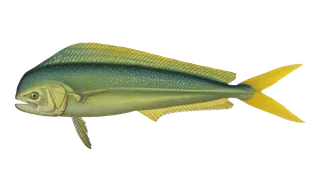 Mahi (Dolphin) — Peaks late spring through summer; troll ballyhoo and skirted lures along weedlines and color changes, then pitch baits to the school.GearSkirted trolling luresBallyhoo rigging kitOffshore trolling combo
How to ID
- Brilliant green-gold-blue body, flanks dotted with blue/black
- Long single dorsal running nearly from head to tail
- Bulls (males) develop a steep, blunt, near-vertical forehead
- Body tapers sharply to a deeply forked tail
- Colors fade to silver-yellow out of the water
Typical: 24–40 in, 5–25 lb
Tell it apart: The full-length single dorsal fin and electric green-gold color with blue speckling are unique; a high blunt forehead marks a bull versus the rounded head of a cow.
- Wahoo — Best in late fall and winter; high-speed troll 12-18 kt with weighted Ilander or jet heads on wire leader near drop-offs.GearIlander-style trolling luresSingle-strand wire leaderOffshore trolling combo
How to ID
- Elongated steel-blue body with 25-30 vivid blue vertical bars
- Long pointed snout with a beak-like, somewhat mobile jaw
- Razor-sharp, blade-like teeth in a slender mouth
- Long, low first dorsal; very streamlined body
- Deeply forked tail; prominent single caudal keel each side
Typical: 40–60 in, 20–50 lb
Tell it apart: The vivid blue vertical bars and the elongated beak-like snout distinguish wahoo from the unbarred, blunter-snouted king mackerel, whose lateral line also dips sharply under the second dorsal.
Easily confused with: King Mackerel
- Blackfin Tuna — Steady year-round with a cooler-month edge; troll small feathers and skirts, or vertical-jig and chunk over humps and reef edges.GearSmall trolling feathersVertical jigsFluorocarbon leader
How to ID
- Stout football-shaped body, dark blue-black back
- Finlets behind dorsal/anal are dusky with a pale edge (not bright yellow)
- Short pectoral fins (do not reach past the second dorsal origin)
- Silver sides, sometimes a faint yellow side band
- Small mouth, deeply forked tail
Typical: 20–28 in, 5–20 lb
Tell it apart: Dusky (dark) finlets with at most a narrow pale margin separate blackfin from other tunas, which have bright-yellow finlets; blackfin also stays small and stocky.
- Swordfish — Targeted year-round; daytime deep-drop squid baits 1500-1800 ft with weighted rigs, or drift baits at night near the surface.GearDeep-drop swordfish rigSquid baitsElectric reel combo
How to ID
- Long, wide, flattened (sword-like) bill — over a third of body length
- No pelvic fins; adults are scaleless
- Tall, rigid, crescent first dorsal; very large eye
- Dark brown-purple to black back; no body bars or spots
- A single large keel on each side of the tail base
Typical: 50–200 lb
Tell it apart: The flat, broad sword (vs. the round spear of marlin and sailfish) plus the total absence of pelvic fins makes swordfish unmistakable among billfish.
Easily confused with: Blue Marlin, Sailfish
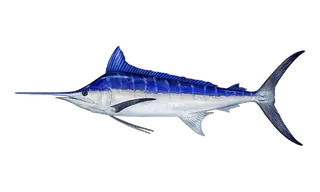 Blue Marlin — Peaks late spring through summer; troll large skirted lures and rigged horse ballyhoo along the reef edge and bluewater rips.GearLarge skirted marlin lures10/0 circle hooksHeavy stand-up combo
How to ID
- Cobalt-blue back, silvery belly, with pale blue vertical bars on the sides
- Round, spear-like bill (not flattened)
- Pointed first dorsal that is LOWER than the body is deep
- Two keels on each side of the tail base
- High, rigid, heavily built body
Typical: 150–400 lb
Tell it apart: A pointed dorsal lower than the body depth (vs. the sailfish's towering sail) plus a round spear bill and twin tail keels (vs. swordfish's single keel and flat bill) confirm blue marlin.
- Red Grouper — Best in spring and fall; drop cut bait or large jigs to hard bottom and ledges, locking up quickly to turn fish from rocks.Gear7/0 circle hooksGrouper bottom rigsHeavy bottom-fishing combo
How to ID
- Brownish-red body with pale blotches/mottling
- Scattered small black dots around the eyes
- Second-dorsal margin straight and even (no deep notch between spines)
- Squared-off (truncate) tail; large fan-like pectorals
- Large bucket mouth; white-edged anal and tail fins
Typical: 18–28 in, 4–12 lb
Tell it apart: Red grouper has an even, non-notched soft dorsal and a squared tail with black freckles around the eyes; its big-mouthed grouper body and lack of prominent canine teeth separate it from the deeper-bodied, canine-toothed, forked-tail mutton snapper.
Easily confused with: Mutton Snapper
Fishing Regulations
Tides & Timing
Read the Tide
Rising tide is king on the flats — it floods the grass and cracks and pushes bonefish and permit onto the flats to feed; on the reef, an outgoing tide sweeps bait off structure and activates snapper and snook under bridge lights.
Other towns in the South Florida & the Keys
Everglades City, FL · Fort Lauderdale, FL · Fort Myers, FL · Islamorada, FL · Key Largo, FL · Key West, FL · Marathon, FL · Marco Island, FL · Miami, FL · Naples, FL · Sanibel, FL · Stuart, FL