 The Fishing Report
Christiansted, VI Fishing — Seasons & Conditions
St. Croix's north-shore harbor behind Long Reef — Lang Bank stretches nine miles northeast off the island's east end, which is why this small town punches so far above its weight offshore.
Part of the Puerto Rico & the U.S. Virgin Islands region.
What’s Biting at Christiansted, VI in October 2026
Biting right now — 18 species are worth targeting in October here, and the 3 marked Peak are at their best right now.
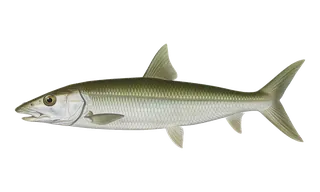 BonefishPeak
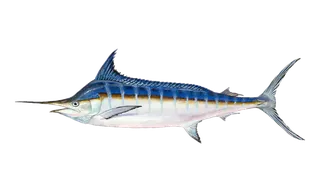 Blue MarlinPeak
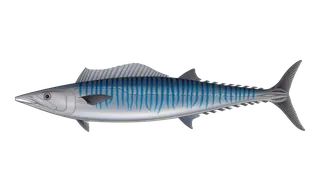 WahooPeak
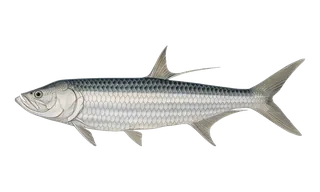 Tarpon
 Snook
Snook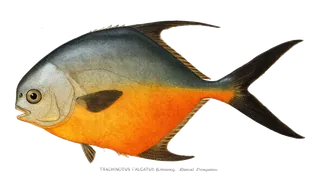 Permit
 Great Barracuda
 Mangrove Snapper
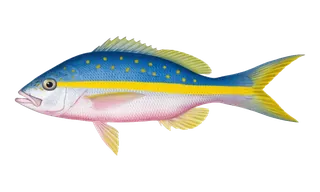 Yellowtail Snapper
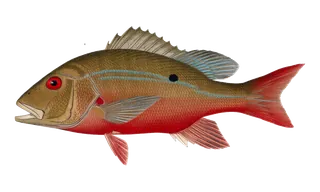 Mutton Snapper
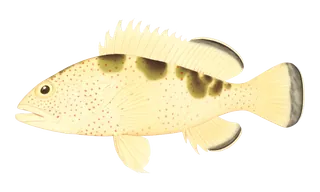 Red Hind
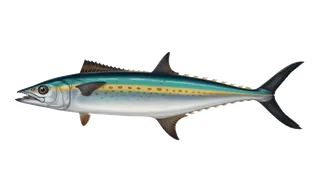 Cero Mackerel
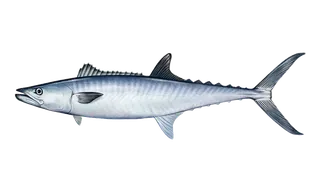 King Mackerel
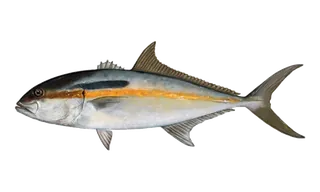 Amberjack
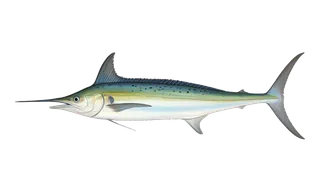 White Marlin
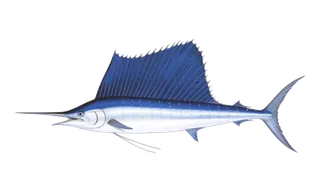 Sailfish
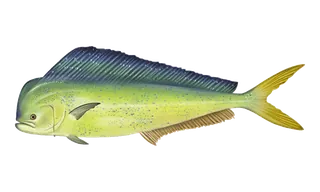 Mahi (Dolphin)
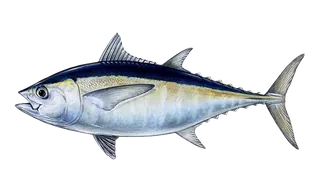 Blackfin Tuna
Tap any species for how to identify it, when it runs and what to throw. This is when the fish are active here — check the regulations below before you keep anything.
Fishing Christiansted, VI: The Local Water
The Inlet & Bar
Christiansted Harbor is on the north coast of St. Croix, protected by a reef and bank running clear across the entrance except for the channel opening; most of the harbor is shoal. The entrance leads north of Fort Louise Augusta through a crooked dredged channel marked by buoys, lights and a 164-degree lighted range, and in 2022 the controlling depth was 14 feet with 12 to 17 feet in the basin.
Local Waters
A westerly or easterly current of 1 to 3 knots depending on conditions has been observed on the north side of Protestant Cay in Schooner Channel, with a moderate west flow outside the light at Fort Louise Augusta. Off East Point tidal currents of about 1 knot set northwest and southeast in calm weather; the trades increase the northwest flow and decrease the southeast, and a very strong west current has been noted around East Point and through Buck Island Channel when the trade wind is blowing.
Reefs, Structure & Marks
Long Reef, a 2-mile strip nearly awash in places, forms the northwest side of the harbor, and Scotch Bank, a 1.8-mile sand shoal carrying 2 to 20 feet, lies on the east side of the entrance — easily seen except with the sun ahead. Lang Bank stretches 9 miles northeast from the east end of the island, 3 to 5 miles wide, with a wall-sided coral ledge along its edge carrying 5.5 to 10 fathoms; its shoalest part breaks in heavy weather.
Harbors, Launches & Access
St. Croix Marine, northeast of Gallows Bay Dock, has four finger piers with 11 feet reported alongside and a lift for craft to 60 tons, offering berths, fuel, pumpout, dry and wet storage, water, ice and marine supplies. Shoaling has occurred close to the edges of the marked channel into the harbor. Buck Island, 4.3 miles east-northeast of Fort Louise Augusta, lies within Buck Island Reef National Monument, whose boundary is marked by private buoys.
Christiansted, VI Season Calendar October — current month highlighted
Inshore — Lagoons, Mangrove & Flats
| Jan | Feb | Mar | Apr | May | Jun | Jul | Aug | Sep | Oct | Nov | Dec | |
|---|---|---|---|---|---|---|---|---|---|---|---|---|
| Tarpon | ||||||||||||
| Snook | ||||||||||||
| Bonefish | ||||||||||||
| Permit | ||||||||||||
| Great Barracuda | ||||||||||||
| Mangrove Snapper |
Nearshore — Reef Line, Cays & the Shelf Edge
| Jan | Feb | Mar | Apr | May | Jun | Jul | Aug | Sep | Oct | Nov | Dec | |
|---|---|---|---|---|---|---|---|---|---|---|---|---|
| Yellowtail Snapper | ||||||||||||
| Mutton Snapper | ||||||||||||
| Red Hind | ||||||||||||
| Cero Mackerel | ||||||||||||
| King Mackerel | ||||||||||||
| Amberjack |
Offshore — The Drop, the Passages & the Banks
| Jan | Feb | Mar | Apr | May | Jun | Jul | Aug | Sep | Oct | Nov | Dec | |
|---|---|---|---|---|---|---|---|---|---|---|---|---|
| Blue Marlin | ||||||||||||
| White Marlin | ||||||||||||
| Sailfish | ||||||||||||
| Wahoo | ||||||||||||
| Mahi (Dolphin) | ||||||||||||
| Yellowfin Tuna | ||||||||||||
| Blackfin Tuna |
What to Target & How
Gear links open Amazon searches. As an Amazon Associate, The Fishing Report earns from qualifying purchases — at no extra cost to you. Using these links helps keep the site ad-free.
Inshore
- Tarpon — Year-round in the San Juan lagoon system and the mangrove basins — live sardines or a dark soft-plastic worked slowly along bridge shadow lines after dark, and the sheltered water still fishes when the trades shut the coast down.Gear5/0–7/0 circle hooks60 lb fluorocarbon leaderHeavy spinning combo
How to ID
- Large bright silver scales (silver-plated look)
- Single dorsal fin with a long trailing filament at the rear
- Large upturned (superior) mouth, bony upturned lower jaw
- Big eyes; deeply forked tail
- No spots, scutes, or barbels
Typical: 48–72 in, 60–130 lb
Tell it apart: Huge silver-dollar scales and a long trailing filament off the back of the dorsal fin make the tarpon unmistakable.
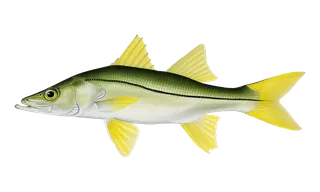
- Snook — Peaks through the summer around river mouths and mangrove points; work a flair-hawk jig or a swimbait tight to structure on moving water, and fish the dark side of a dock light at night.GearFlair-hawk bucktail jigsWalking topwater plugs40 lb fluorocarbon leader
How to ID
- Bold black lateral line running onto the tail
- Sloping forehead with a protruding, scoop-shaped lower jaw
- Yellowish fins (often bright yellow pelvic/anal fins)
- Two separate dorsal fins, distinctly divided profile
- Silvery-green back fading to a white belly
Typical: 20–34 in, 3–15 lb
Tell it apart: The single sharp black stripe down the lateral line plus the jutting lower jaw is diagnostic; no other inshore fish here carries that crisp black line onto the tail.
- Bonefish — The flats of Cabo Rojo, Vieques and the island shelves — sight-fishing needs light wind and sun, so go early and pick a leeward shoreline; lead the fish well and let the fly or jig settle.GearShrimp-pattern flies1/8 oz bonefish jigsPolarized fishing sunglasses
How to ID
- Slender, torpedo-shaped silver body, greenish back
- Conical snout overhanging an inferior (underslung) mouth
- Faint dusky bars or sheen on the upper sides
- Single short dorsal, deeply forked tail
- Large scales; no spots, no barbels
Typical: 20–28 in, 3–8 lb
Tell it apart: The blunt overhanging snout with the mouth set well underneath, on a bright-silver streamlined body, separates it from any small jack or ladyfish.
- Permit — Spring into summer on the outer flats and the shallow reef edge; a live crab cast well ahead of a tailing or cruising fish, with no weight and as little leader disturbance as possible.GearCrab flies1/0–2/0 short-shank hooks20 lb fluorocarbon leader
How to ID
- Deep, strongly compressed silver disc-shaped body
- Orange-yellow wash on the lower body and anal-fin area
- Dark sickle-shaped (falcate) dorsal and anal-fin lobes
- Forked tail with dark lobes; no spots or stripes
- Small mouth, blunt steep forehead
Typical: 24–34 in, 10–25 lb
Tell it apart: Compared with a pompano (not on this list), a permit is larger and far deeper-bodied with a darker, more sickle-shaped second dorsal; the flat silver disc with an orange-tinged lower body and no markings is the giveaway.
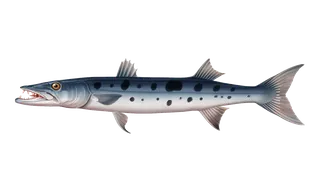
- Great Barracuda — Everywhere, all year, over reef and grass edges — burn a long silver tube lure or a fast-retrieved plug and hold on. Wire is not optional. Note that large Caribbean barracuda carry a real ciguatera risk and are widely released here rather than eaten.GearBarracuda tube luresSingle-strand wire leaderLong-nose dehooking pliers
How to ID
- Long, pike-like silvery body with a pointed head
- Large jaw set with prominent, unevenly sized fang-like teeth
- Scattered irregular BLACK blotches over the rear half of the body, heaviest low on the sides
- Two small dorsal fins set widely apart
- Dark, forked tail often with pale tips on the lobes
Typical: 24–48 in, 5–20 lb
Tell it apart: Scattered dark blotches low on the rear flanks, on a long pike-shaped silver body with a fanged jutting jaw, mark the great barracuda — no other reef fish here carries that combination.
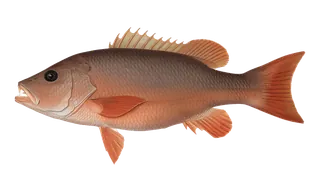
- Mangrove Snapper — Best through the summer around mangrove roots, harbor walls and shallow patch reef; freeline a live shrimp or small bait on light fluorocarbon and expect them to be leader-shy in clear water.Gear1/0 live-bait hooksKnocker rigs20 lb fluorocarbon leader
How to ID
- Gray to reddish-brown body, often a coppery sheen
- Dark band through the eye, more obvious when feeding/excited
- Two enlarged canine teeth in the upper jaw
- Reddish-orange tinge to the fins; no spot on the body
- Single continuous dorsal, slightly forked tail
Typical: 12–18 in, 1–4 lb
Tell it apart: Gray (mangrove) snapper lacks the mutton's blue facial lines and high side spot and lacks the yellowtail's bright yellow lateral stripe and yellow tail; look for the dark eye-bar and a plain gray body with no markings.
Easily confused with: Mutton Snapper, Yellowtail Snapper
Nearshore
- Yellowtail Snapper — The reef-line staple — anchor up-current, run a chum slick and drift small unweighted hooks back into it. The fish sit well up in the water column, so fish the slick rather than the bottom.GearChum bags and frozen chum1/0 knocker rigs15 lb fluorocarbon leader
How to ID
- Bright yellow midbody stripe widening into the tail
- Bluish back with yellow spots above the stripe
- Slender, streamlined body (less deep than other snappers)
- Deeply forked, all-yellow tail
- Pinkish-white belly, small mouth
Typical: 12–18 in, 1–3 lb
Tell it apart: The unbroken bright-yellow stripe running into a fully yellow deeply forked tail is unmistakable and separates it instantly from gray (mangrove) snapper.
Easily confused with: Mangrove Snapper
- Mutton Snapper — Spring is the window, when muttons group up on the deeper shelf edge; a whole ballyhoo or live pilchard on a long fluorocarbon leader fished right on the bottom, with the least weight the current allows.Gear5/0–7/0 circle hooks40 lb fluorocarbon leaderEgg sinkers
How to ID
- Olive-to-reddish body, often brick-red on the lower sides
- Small black spot high on the side below the rear dorsal
- Blue iridescent lines/streaks below and behind the eye
- Pointed (V-shaped) anal fin; strong canine teeth
- Red eye; reddish tail margins
Typical: 16–26 in, 4–12 lb
Tell it apart: The single black spot high on the side plus blue lines under the eye and a pointed anal fin separate mutton from gray snapper; red hind is a squat, round-tailed grouper covered in red spots, with no black side spot at all.
Easily confused with: Mangrove Snapper, Red Hind
- Red Hind — The everyday grouper of these reefs — drop a cut bait or small live bait into holes and ledge edges and lift hard immediately, because they bury into the coral the moment they feel the hook.Gear3/0–5/0 circle hooksBottom fishing rigsBottom fishing combo
How to ID
- Pale greenish-white to buff body densely covered in small red-brown spots
- Dark blotches along the back at the base of the dorsal fin
- Blackish margins on the rear dorsal, anal and tail fins
- Squat, heavy-bodied grouper shape with a large mouth
- Rounded (not forked) tail
Typical: 10–16 in, 1–3 lb
Tell it apart: Dense small red spots over a pale body, a rounded tail and dark-edged rear fins mark the red hind; mutton snapper is a forked-tailed snapper with canine teeth and a single black spot high on the side.
Easily confused with: Mutton Snapper
- Cero Mackerel — The Caribbean's own mackerel, thickest in the cooler months over clear-water reef; cast or slow-troll a small silver spoon or a live ballyhoo just off the reef edge on a short wire trace.GearCasting spoonsWire stinger rigsLight trolling combo
How to ID
- Bronze-to-yellow stripe running along the midbody from pectoral fin to tail
- Rows of yellow-bronze spots ABOVE and BELOW that stripe
- Black patch on the front of the first dorsal fin
- Slender mackerel body with a row of finlets and a deeply forked tail
- Lateral line curving gently down — no sharp drop
Typical: 18–30 in, 3–8 lb
Tell it apart: The bronze midbody stripe with rows of spots above and below it is unique to cero; king mackerel adults are plain-sided and their lateral line drops sharply under the second dorsal.
Easily confused with: King Mackerel
- King Mackerel — A cool-season fish here — slow-troll a live bait on a wire stinger rig along the drop-off and around the passage mouths, or pull a spoon behind a planer when they are deep.GearKing mackerel stinger rigsDrone spoonsCoated wire leader
How to ID
- Steel-blue back, silver sides; adults lack spots
- Lateral line drops sharply downward below the second dorsal fin
- First dorsal fin uniformly pale (no black front patch); folds into a groove
- Slender elongate body, deeply forked tail
- Row of finlets behind dorsal and anal fins
- Juveniles may show faint yellow spots
Typical: 24–40 in, 8–20 lb
Tell it apart: The sharp downward dip in the lateral line under the second dorsal, plus a plain unmarked side, marks a king mackerel; cero carries a bronze midbody stripe with rows of spots, and wahoo shows vivid blue vertical bars.
Easily confused with: Cero Mackerel, Wahoo
- Amberjack — Wrecks, ledges and the shelf edge, best in the cooler months; drop a live blue runner or a heavy vertical jig to the top of the structure and be ready for them to run straight back down into it.GearVertical speed jigs8/0 circle hooksHeavy jigging combo
How to ID
- Dark diagonal bar through the eye to the first dorsal ("bandit mask")
- Amber to brassy lateral stripe running along the flank
- Bronze-amber sides, long stout body
- Long-based second dorsal and anal fin
- Deeply forked tail; no barbel
Typical: 30–45 in, 15–40 lb
Tell it apart: The dark diagonal eye-bar (nuchal bar) running up to the first dorsal, plus the amber flank stripe on a long stout body, identifies greater amberjack.
Offshore
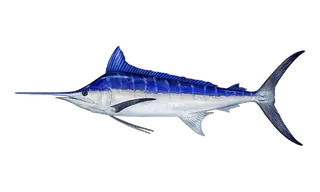 Blue Marlin — August through October is the run these islands are known for, and the drop-off is a short ride out; pull big skirted lures and rigged ballyhoo along the 100-fathom edge, starting at first light before the trades build.GearMarlin trolling luresHeavy trolling comboHeavy mono leader
How to ID
- Cobalt-blue back, silvery belly, with pale blue vertical bars on the sides
- Round, spear-like bill (not flattened)
- Pointed first dorsal that is LOWER than the body is deep
- Two keels on each side of the tail base
- High, rigid, heavily built body
Typical: 150–400 lb
Tell it apart: A pointed dorsal LOWER than the body is deep separates blue marlin from both the sailfish's towering sail and the white marlin's rounded, nearly body-high dorsal; the bill is round in cross-section and the tail base carries two keels.
Easily confused with: Sailfish, White Marlin
- White Marlin — A spring and fall visitor to the same blue water as the blues, but far pickier — drop back to small rigged ballyhoo on circle hooks and lighter leader, and pull dredges to raise them.GearBallyhoo rigging kit7/0 circle hooks80 lb fluorocarbon leader
How to ID
- rounded (paddle-like) tips on the first dorsal, pectoral, and anal fins
- lighter green-blue back, often with dark spots on the dorsal fin
- first dorsal nearly as tall as the body is deep
- more slender, lighter body than a blue marlin
- spots and lighter coloration overall
Typical: 65–80 in, 40–70 lb
Tell it apart: The unmistakable ROUNDED (paddle-like) tips of the first dorsal, pectoral, and anal fins, plus a dorsal nearly as tall as the body is deep, separate white marlin from the sharply pointed-finned, lower-dorsaled blue marlin.
Easily confused with: Blue Marlin
- Sailfish — A cool-season fish here, thickest from late fall through winter; slow-troll or kite live baits along the drop-off and colour changes, and use circle hooks so releases are clean.GearBallyhoo rigging kit6/0–7/0 circle hooks60 lb fluorocarbon leader
How to ID
- Huge sail-like first dorsal fin, far taller than the body is deep
- Long spear-like upper bill (rounded in cross-section)
- Cobalt blue back, silver sides with rows of pale blue spots/bars
- Slender body; very long, thin pelvic fins
- Two keels on each side of the tail base (billfish family)
Typical: 6–7 ft, 30–50 lb
Tell it apart: The enormous sail-shaped dorsal fin, far taller than the body is deep and running most of the back, instantly separates sailfish from either marlin.
Easily confused with: Blue Marlin, White Marlin
- Wahoo — Best from October through April — high-speed troll 12–16 kt with weighted jet heads on single-strand wire along the drop and around the passage mouths, where the current concentrates bait.GearHigh-speed wahoo luresSingle-strand wire leaderOffshore trolling combo
How to ID
- Long, slender, torpedo body; iridescent blue-gray with vivid blue vertical bars
- Long beak-like snout with razor triangular teeth
- Tall first dorsal fin running most of the back
- Deeply forked tail, row of finlets
- Hinged jaw that folds; skin appears nearly scaleless
Typical: 40–60 in, 20–50 lb
Tell it apart: Vivid electric-blue vertical bars and a long razor-toothed beak separate wahoo from the unbarred, spot-free king mackerel.
Easily confused with: King Mackerel
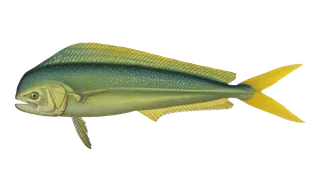 Mahi (Dolphin) — Winter into spring is dorado season here, not summer — hunt weed lines, floating debris and working birds, then pitch ballyhoo or a bucktail and keep one hooked fish in the water to hold the school.GearTrolling skirt lures6/0 circle hooksOffshore spinning combo
How to ID
- Brilliant green-gold-blue with iridescent spots, fading after death
- Long-based dorsal fin running nearly head to tail
- Squared, blunt forehead in adult males (bulls); rounded in females
- Deeply forked bright-yellow tail
- Compressed body, single long-based anal fin
Typical: 24–40 in, 5–25 lb
Tell it apart: A single long dorsal fin spanning almost the whole back over a brilliant green-and-gold body is diagnostic of mahi.
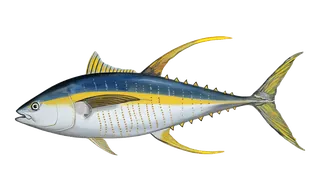 Yellowfin Tuna — Spring and summer in the deep water off the passages; look for birds and porpoise over the drop, then chunk, live-bait, or throw a popper into a busting school at first light.GearVertical speed jigs7/0–8/0 circle hooks80 lb fluorocarbon leader
How to ID
- Dark metallic blue back, silvery-white belly, and a golden-yellow stripe down the side
- Greatly elongated, sickle-shaped (falcate) second dorsal and anal fins on larger adults
- Bright yellow finlets edged with a narrow black margin
- Lower flanks/belly often marked with alternating pale lines and rows of dots
- Pectoral fin moderately long, reaching to about the second dorsal origin (not past the anal fin as in bigeye)
Typical: 36–50 in, 30–80 lb
Tell it apart: Long, bright-yellow sickle-shaped dorsal and anal fins plus yellow black-edged finlets distinguish yellowfin from the much smaller blackfin, which keeps short fins and dark, dusky finlets.
Easily confused with: Blackfin Tuna
- Blackfin Tuna — Thickest in the cooler months over the drop and around the FADs and buoys; small feathers trolled fast, or a vertical jig dropped under a bait school at dawn.GearSmall trolling feathersVertical speed jigs50 lb fluorocarbon leader
How to ID
- Dark blue-black back, silver sides; deep football body with a chest corselet
- Finlets dusky/black, edged white-gray (NOT bright yellow as in other tunas)
- Short pectoral fins, not reaching past the second dorsal origin
- Smallest tuna; no oblique back stripes or fingerprint belly spots
- Faint yellow on the central finlets at most
Typical: 20–28 in, 5–20 lb
Tell it apart: Dark, dusky finlets with no bright yellow, short pectorals and a small deep football body separate blackfin from yellowfin, which carries bright yellow black-edged finlets and long sickle-shaped dorsal and anal fins.
Easily confused with: Yellowfin Tuna
Fishing Regulations
Tides & Timing
Read the Tide
Forget the big tide swings of the mainland — the range here is about a foot, so tide height barely matters and current is what counts. The east trade winds blow four days in five, freshening through the morning to a mid-afternoon peak, so the working plan is an early start and a leeward shoreline; on the west coast the afternoon sea breeze opposes the trades and takes the edge off them.
Other towns in the Puerto Rico & the U.S. Virgin Islands
Arecibo, PR · Cabo Rojo, PR · Charlotte Amalie, VI · Cruz Bay, VI · Fajardo, PR · Humacao, PR · Ponce, PR · Rincón, PR · San Juan, PR
Back to the Puerto Rico & the U.S. Virgin Islands overview →